If you’ve lived in Qatar for more than one summer, you already know the drill. You open your car door, get blasted by air that feels like a hairdryer set to “volcanic,” and spend the first five minutes waiting for the AC to make life bearable again. But here’s the thing most people don’t think about: while you’re standing outside waiting, your car is dealing with that heat 24 hours a day, 7 days a week. And it’s taking a toll. Qatar’s summer temperatures regularly push past 45°C, and inside a parked car? It can hit 80°C or more. That’s not just uncomfortable it’s genuinely damaging. The good news is that most of it is preventable. Here are five real problems the heat causes, and what actually fixes them.
Your Battery Is Running on Borrowed Time
Most people assume car batteries die in cold weather. And while that’s true in places like Europe or Canada, in Qatar it’s the opposite. Extreme heat accelerates the chemical reactions inside your battery, which sounds like it should help but it actually causes the battery to overwork, lose water faster, and break down from the inside out. The average car battery lasts 3–5 years in moderate climates. In Qatar’s heat? Many don’t make it past 2. The fix: Get your battery tested before summer hits hard not after you’re stranded in a car park in Lusail. If it’s more than two years old, it’s worth replacing proactively. At Al Rowad, we install car batteries with a mobile service, so we come to you. No towing, no drama.
Your Interior Is Slowly Falling Apart
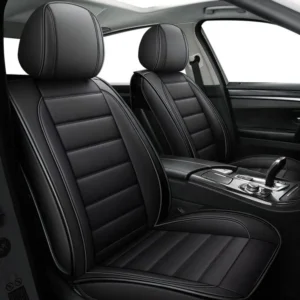
Leather cracks. Fabric fades. Dashboard plastics warp and split. It all happens gradually, so you don’t notice until one day you sit down and realise your interior looks ten years older than the car actually is. UV radiation does most of the damage. And in Qatar, the sun isn’t something you get a break from — it’s relentless from April through October. The fix: Quality seat covers do two things: they protect your original upholstery from UV and heat, and they make the car more comfortable to get into (nobody wants to sit on leather that’s been baking at 70°C). A good set of floor mats also protects the carpet from dirt and sweat — which genuinely builds up when you’re getting in and out of a hot car all day.
Your Windows Are Working Against You
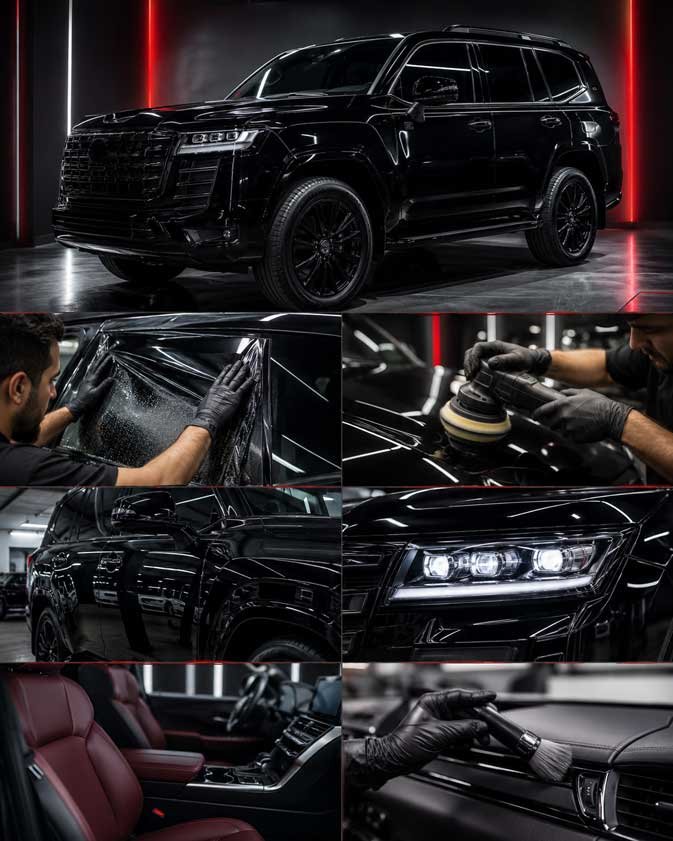
Glass doesn’t block UV. It lets it straight through, which means your dashboard, seats, and everything else inside the car is getting cooked even when the windows are up. It also means your AC has to work twice as hard to cool the cabin down, which burns more fuel and puts more strain on the system. The fix: Window tinting is one of the single most effective upgrades you can make to a car in Qatar. A good ceramic tint blocks up to 99% of UV rays and significantly reduces the interior temperature — we’re talking a difference you feel the moment you open the door. It’s not just a comfort thing; it genuinely extends the life of your interior and reduces fuel consumption. Just make sure the tint you choose complies with Qatar traffic regulations — visible light transmission rules apply, and you don’t want a fine on top of everything else.
Your Bumpers and Exterior Are Taking a Beating
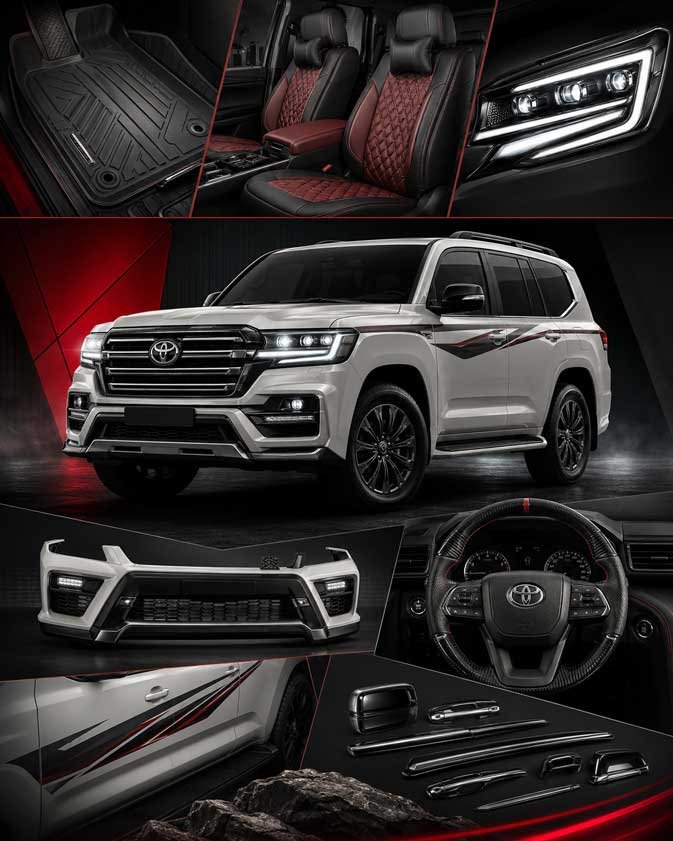
The sun fades paintwork. Sand and dust (which get everywhere in Qatar) scratch clear coats. And if your car spends time in car parks without shade, the heat expansion and contraction cycle gradually weakens exterior fittings, including bumpers. This isn’t about vanity a degraded bumper is a safety issue. It’s designed to absorb impact, and if the material has been compromised by years of heat stress, it won’t do that job as well. The fix: Protecting exterior parts starts with keeping them in good condition. Body stickers and protective films add a layer of defence against minor scratches and UV fading. And if your bumper is already showing wear cracks, discolouration, or poor fitment from a previous repair it’s worth replacing it properly rather than patching it.
Your Lights Are Dimming (Literally)
Heat degrades standard halogen bulbs faster than normal. You might not notice the gradual drop in brightness until you’re driving on the highway at night and realise you can barely see past 30 metres. LED bulbs handle heat much better, last significantly longer, and are considerably brighter. It’s one of those upgrades that just makes sense in this climate. The fix: Switching to LED headlamps improves visibility and reduces how often you need to replace bulbs. For Land Cruiser owners especially, upgraded headlamps make a noticeable difference on longer drives outside the city.

2 Responses